

Meet Dr. Connors

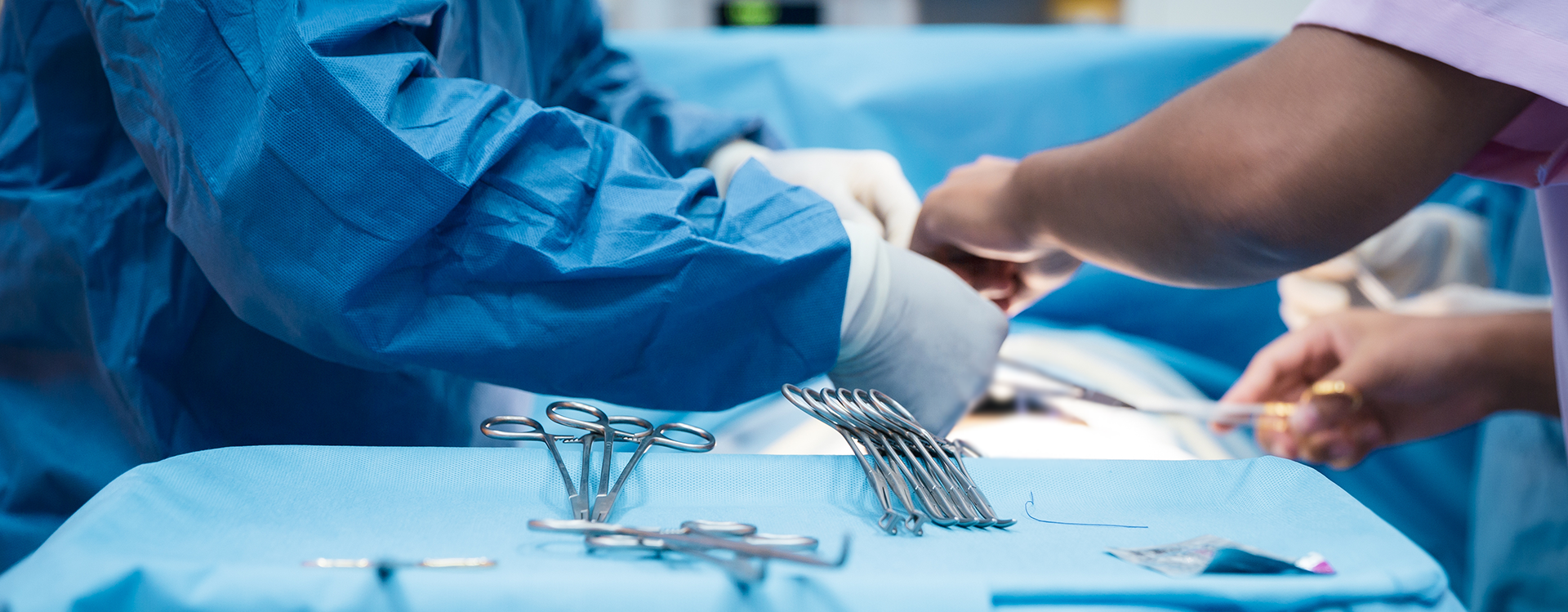
Dr. Grayson P. Connors is a board-certified, fellowship-trained Boston-area orthopedic surgeon who believes precision and genuine care are the same commitment. He performs both robotic-assisted and manual hip and knee replacement — a perspective that shapes how he practices: use the technology when it earns its place, and trust judgment when it doesn’t.
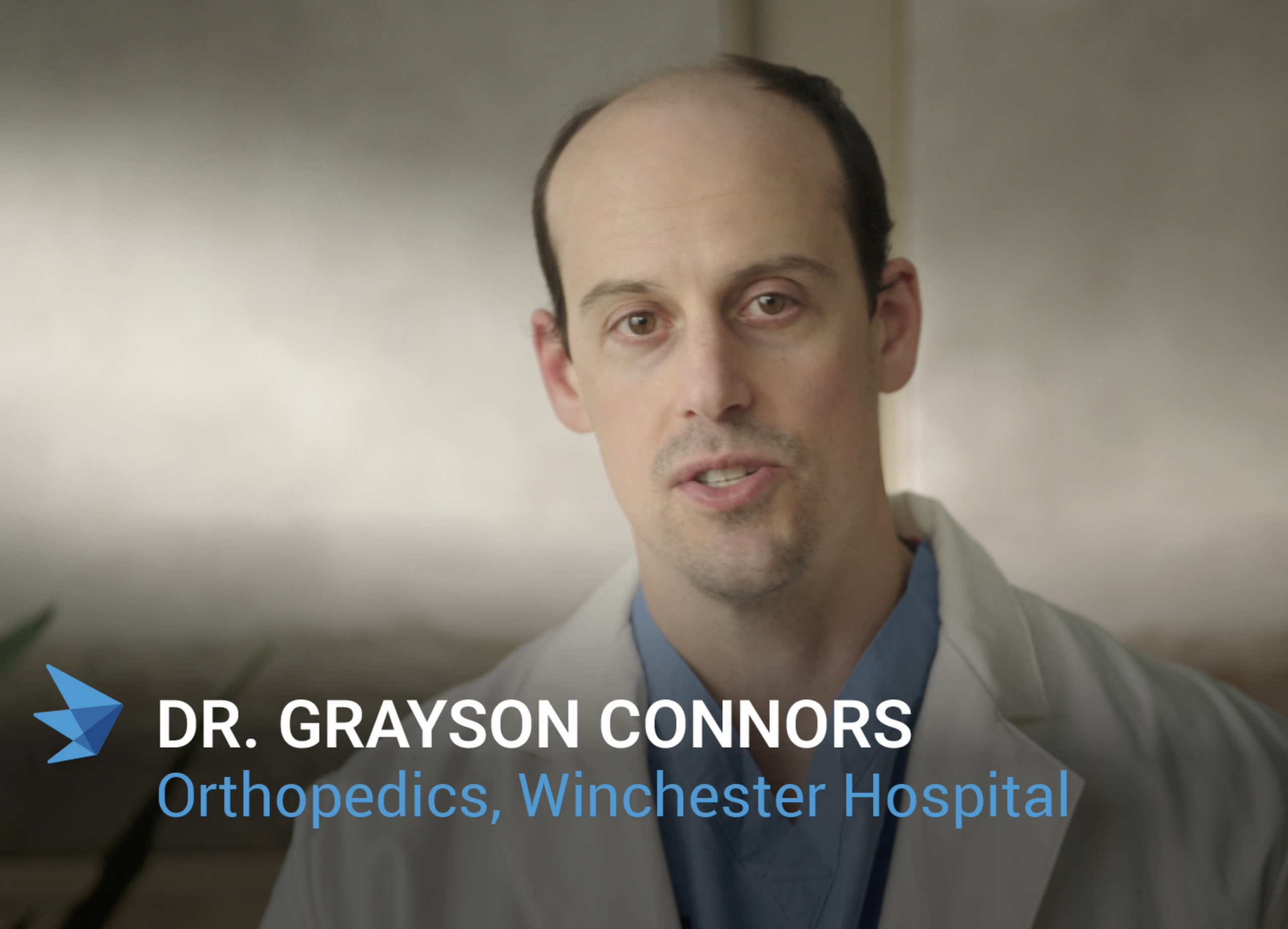
Trained for precision.
Wired for care.
Dr. Connors became a joint replacement surgeon because of the clarity of the work: someone is in pain, a joint is worn out, and there is a procedure that can fix it. What draws him to it — and keeps him in it — is everything that happens around that procedure. Which approach suits this patient’s anatomy. Whether the robotic plan matches what he sees in the room. How to have an honest conversation with a 47-year-old who needs a new knee about what the next three decades with that implant actually look like.
He performs both robotic-assisted and manual joint replacement — not because he hasn’t committed to one approach, but because the comparison is the point. He has worked alongside the teams advancing robotic and navigated surgery, presented on its clinical application at national orthopedic meetings including AAOS and AAHKS, and serves as a Key Opinion Leader on emerging technology in both knee and hip replacement. That standing shapes his perspective. So does the fact that he still performs manual cases — and can tell the difference.
His practice is built around minimally invasive techniques, outpatient surgery at Northridge Surgical Suites, and outcomes measured in what patients can do six months later — not in what their X-rays look like at three weeks. His patients include athletes, teachers, and grandparents who want their joints back. What they have in common is that they chose a surgeon who still answers his own calls.
"I trained at a place that didn't let you cut corners, and I haven't found a reason to start since."
Dr. Grayson P. Connors
"The hardest part of this job isn't the surgery. It's telling someone the truth about their recovery when the easy thing would be to tell them what they want to hear."
Dr. Grayson P. Connors
"A two-millimeter error doesn't show up on the X-ray. It shows up on a hiking trail six months later, and by then nobody remembers to blame the surgery."
Dr. Grayson P. Connors
"I still do manual cases. Not out of nostalgia — because if I ever lose the feel for it, I lose the ability to know when the robot's wrong."
Dr. Grayson P. Connors
"I've done surgery both robotically and traditionally enough times to know neither one is automatically right. That's the whole job — knowing which one is right for the person on the table."
Dr. Grayson P. Connors
"Outpatient surgery isn't the compromise people think it is. For the right patient, it's the upgrade."
Dr. Grayson P. Connors
"The robot doesn't make the decision. It makes the decision easier to execute correctly."
Dr. Grayson P. Connors
"Patients don't care what's in the operating room. They care whether they can get down on the floor with their grandkids without thinking about it first."
Dr. Grayson P. Connors
"Technology is supposed to make a good surgeon better. It's not supposed to be the reason you hired one."
Dr. Grayson P. Connors
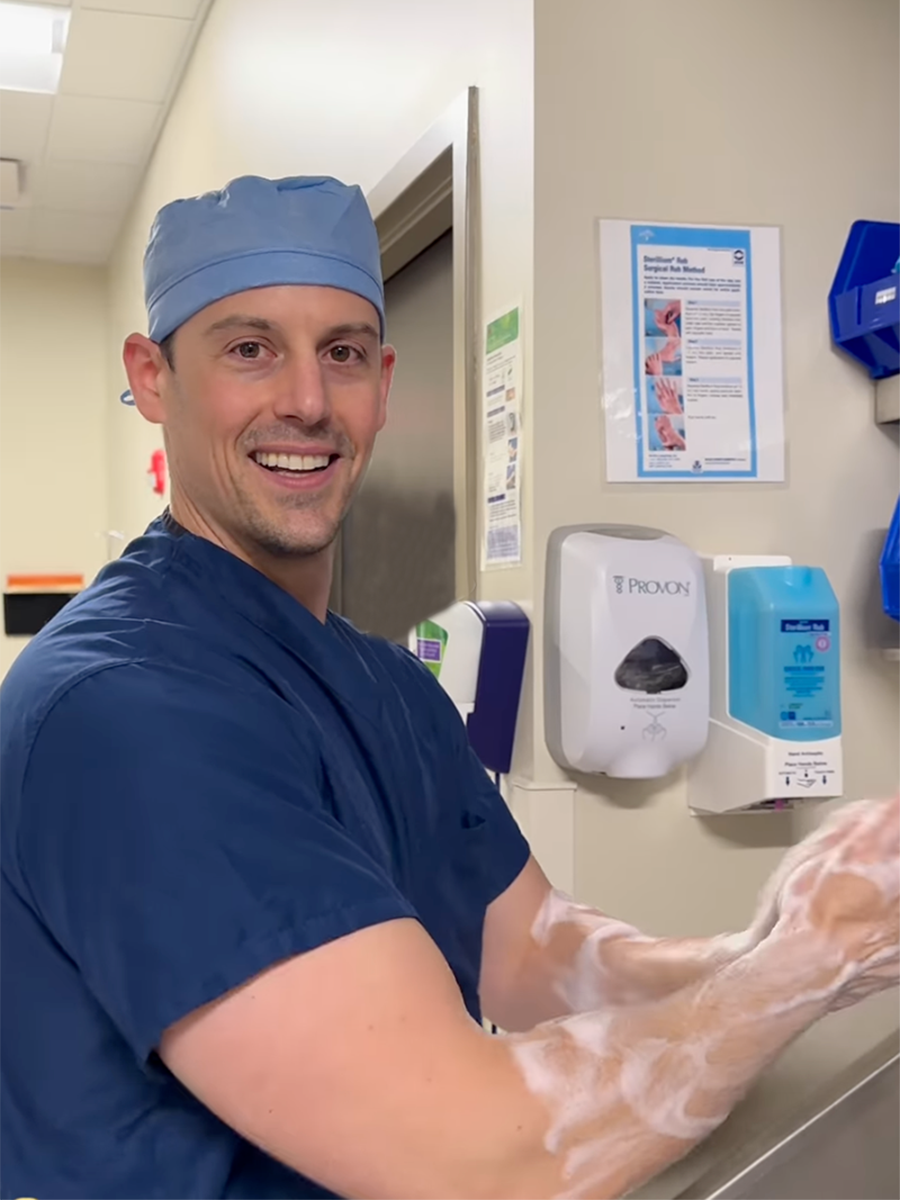
On a Personal Note.
Before medicine, Dr. Connors was an All-American lacrosse player at Wesleyan University — a background that shaped more than just his competitiveness. It built the same qualities that define his practice: precision under pressure, trust in the team around you, and the understanding that how you prepare determines what’s possible when it matters most.
Outside the OR, he is a golfer and a New England enthusiast — exploring the region with his wife, their daughter, and their dogs.
Beyond the practice.
Dr. Connors writes and speaks on robotic surgery, surgical judgment, and what joint replacement looks like for patients who expect more from their outcomes. As a Key Opinion Leader on emerging technology in both knee and hip replacement, he presents at national orthopedic meetings and advises on the direction of the field — a perspective shaped by performing both robotic and manual procedures and comparing them honestly.
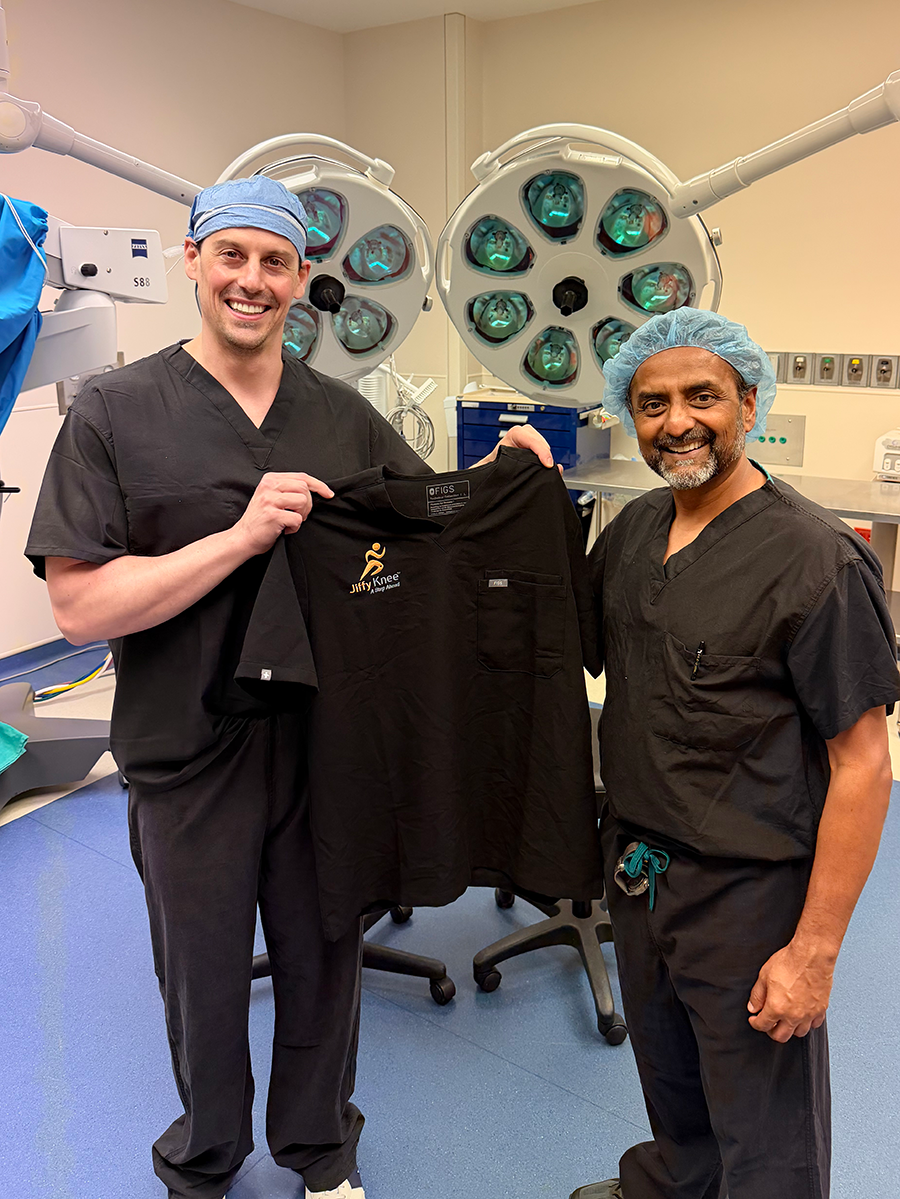
Training & Credentials.
Dr. Connors trained at institutions that take joint replacement seriously as a specialty — not as a subspecialty afterthought. The AuFranc Fellowship at New England Baptist Hospital is one of the most respected adult reconstruction programs in the country. Everything before it built the foundation. Everything since has been tested against it.
Education
Undergraduate
Bachelor of Science · Wesleyan University, Middletown, CT · 2008
Medical School
NYITCOM — New York Institute of Technology College of Osteopathic Medicine · Old Westbury, NY · 2014
Residency
Orthopedic Surgery · Philadelphia College of Osteopathic Medicine (PCOM) · Philadelphia, PA · 2019
Fellowship
Adult Reconstruction · Otto E. AuFranc Fellowship · New England Baptist Hospital · Boston, MA · 2020
Board Status
Board-Certified · Orthopedic Surgery
Affiliations
Excel Orthopaedic Specialists · Woburn, MA | Winchester Hospital · Winchester, MA | Northridge Surgical Suites · Nashua, NH
National Meetings
AAOS · American Academy of Orthopaedic Surgeons | AAHKS · American Association of Hip and Knee Surgeons
Innovation
Key Opinion Leader · Emerging Technology in Knee & Hip Replacement · DePuy Synthes / VELYS Platform