Hip replacement has changed significantly in the past decade — both in technique and in what patients can reasonably expect from their recovery.
Dr. Connors performs the direct anterior approach as his standard: a method that reaches the hip joint from the front, working between the muscles rather than cutting through them. The muscles aren’t disrupted. The recovery reflects that.
For most patients, that means fewer movement restrictions after surgery, less pain in the early weeks, and the ability to walk the same day — and go home the same day.
Traditional hip replacement approaches — posterior and lateral — access the joint by cutting through or detaching muscles at the back or side of the hip. They work well. But they also require restrictions on hip movement for weeks after surgery while those muscles heal, and they carry a higher risk of dislocation during the early recovery period.
The direct anterior approach accesses the hip through a natural interval between the muscles at the front of the hip — without cutting or detaching any of them. The muscles are not disrupted. The joint capsule is repaired. The result is a hip that is inherently more stable from day one, with fewer restrictions, less pain in the early weeks, and a faster return to normal movement.
Most of our patients have no hip precautions after surgery. Most are walking the same day. Most go home the same day.
Most patients who have hip replacement via the direct anterior approach leave Northridge Surgical Suites with no hip precautions. No ‘don’t bend past 90 degrees.’ No ‘don’t cross your legs.’ No sleeping with a pillow between your knees. For patients who have had friends or family go through traditional hip replacement — and watched them navigate those restrictions — this is often the single most welcome difference.
The Fewer Restrictions Advantage

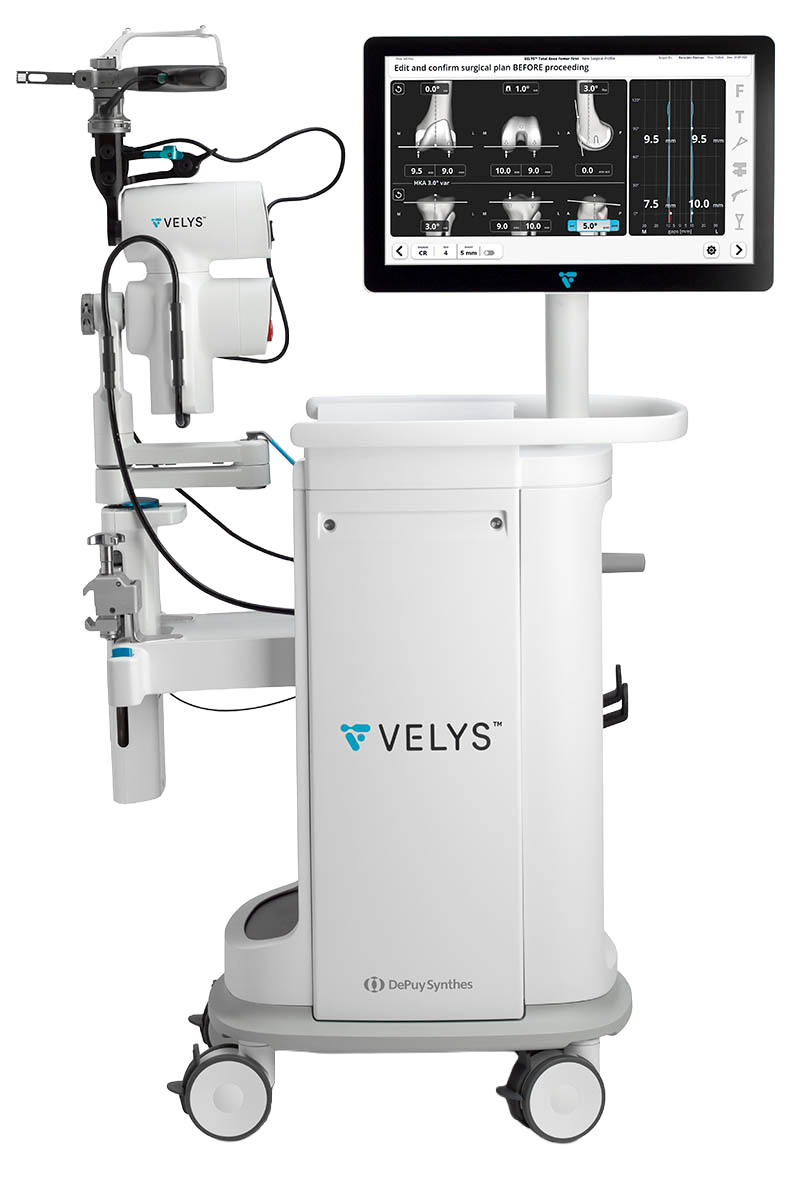
We use VELYS Navigation during hip replacement to confirm implant positioning while the procedure is in progress. A fluoroscopic image of your hip is taken during surgery and analyzed in real time — checking the position and angle of the implant against your specific anatomy as we go.
This is not the robot controlling the surgery. It is the surgeon confirming, in the moment, that the plan is being executed the way it was designed. For hip replacement especially — where small variations in implant angle can affect long-term function and durability — that real-time confirmation matters.
The goal is a hip that sits the way a healthy hip should — for your anatomy, not an average anatomy.
Most patients who have hip replacement with Dr. Connors using the direct anterior approach are walking in the facility on the day of surgery. Most go home the same day. Most have no hip precautions or movement restrictions after the direct anterior approach, which is a meaningful quality-of-life difference in the early weeks.
Light activity typically resumes within three to six weeks. Returning to more demanding pursuits — hiking, golf, cycling, swimming — usually happens between two and four months, depending on starting condition and how hard you work in physical therapy.
We will give you an honest, specific picture of your recovery in the consultation. The goal is not a best-case timeline — it’s a realistic one that you can plan your life around.
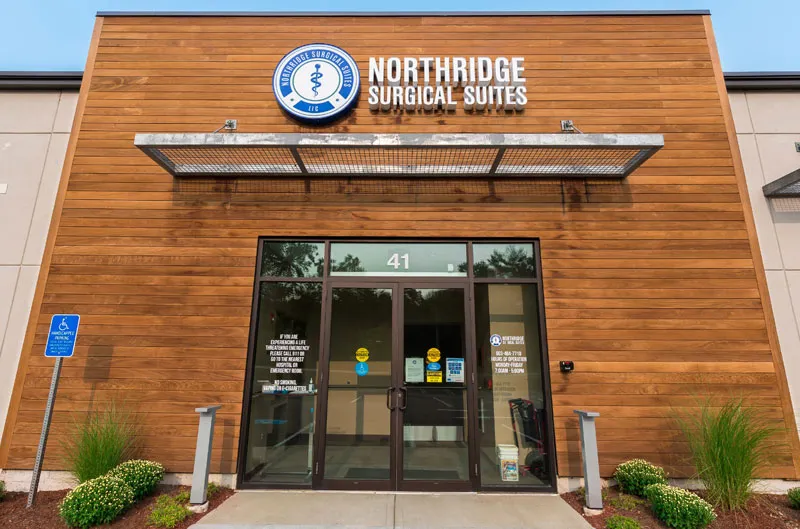
Most of our hip patients have their procedure at Northridge Surgical Suites in Nashua, NH and go home the same day. This is possible because the direct anterior approach minimizes surgical disruption, our multimodal pain management protocol reduces narcotic dependence from the start, and Northridge is designed specifically for this kind of focused, efficient surgical experience.
Patients who are healthy, have adequate home support, and understand what recovery looks like do very well in the outpatient setting. We discuss same-day discharge candidacy in the consultation — and we never push patients toward it who aren’t right for it.
Hip replacement is the right conversation to have when pain is significantly limiting your daily life — and when other treatments like injections, physical therapy, and activity modification have stopped providing meaningful relief. The best way to know whether you’re a candidate is a consultation.