

We use robotic assistance and navigation because, in the right cases, they improve outcomes. We also perform manual procedures — because the comparison between the two teaches us things that a robotic-only practice cannot access. Our approach is not about the hardware in the room. It’s about the judgment of the surgeon holding it.
Dr. Grayson P. Connors presents at national orthopedic meetings and works closely with the teams advancing robotic and navigated joint replacement. That access informs his practice, but it never replaces his own clinical assessment of what each patient actually needs.
Every decision Dr. Connors makes in the OR — which approach, which implant, whether to use robotic guidance — is guided by four principles. They’re the foundation on which everything else is built.

We approach every surgery with the goal of doing as little damage as possible to reach the joint. Smaller incisions, muscle-sparing technique, and deliberate tissue handling — these are what enable faster recovery and a return to activity that feels like a recovery rather than a rebuild.

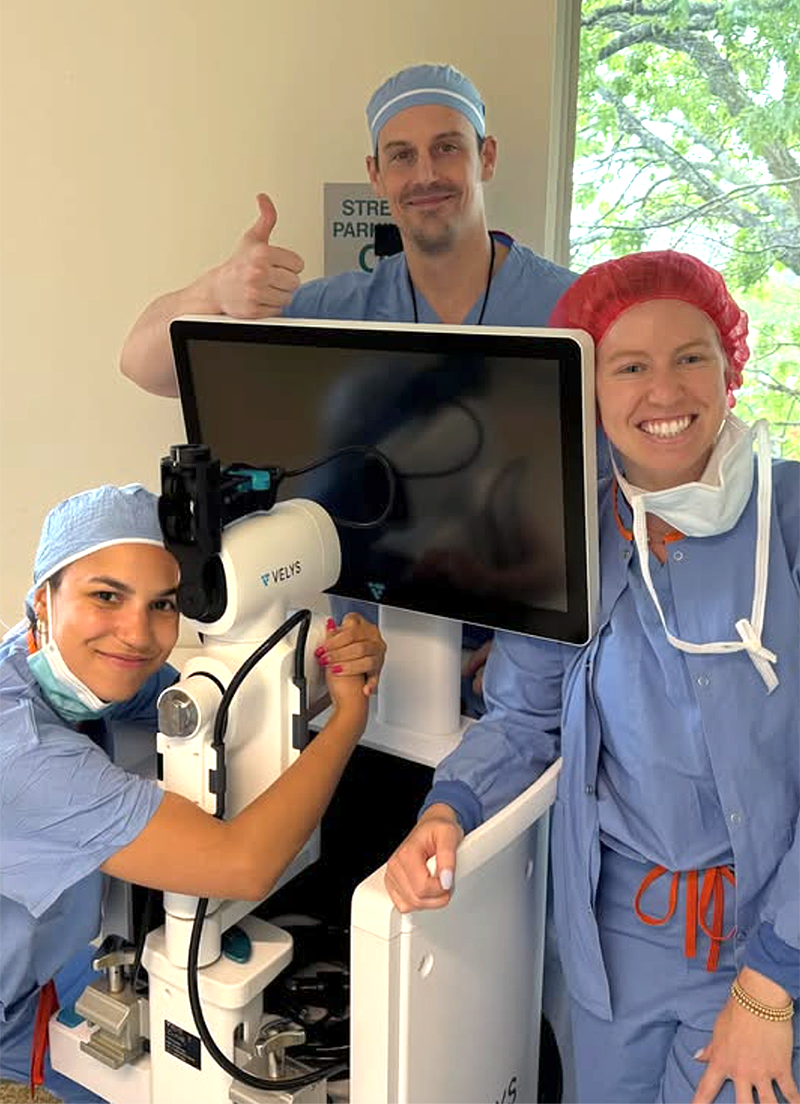
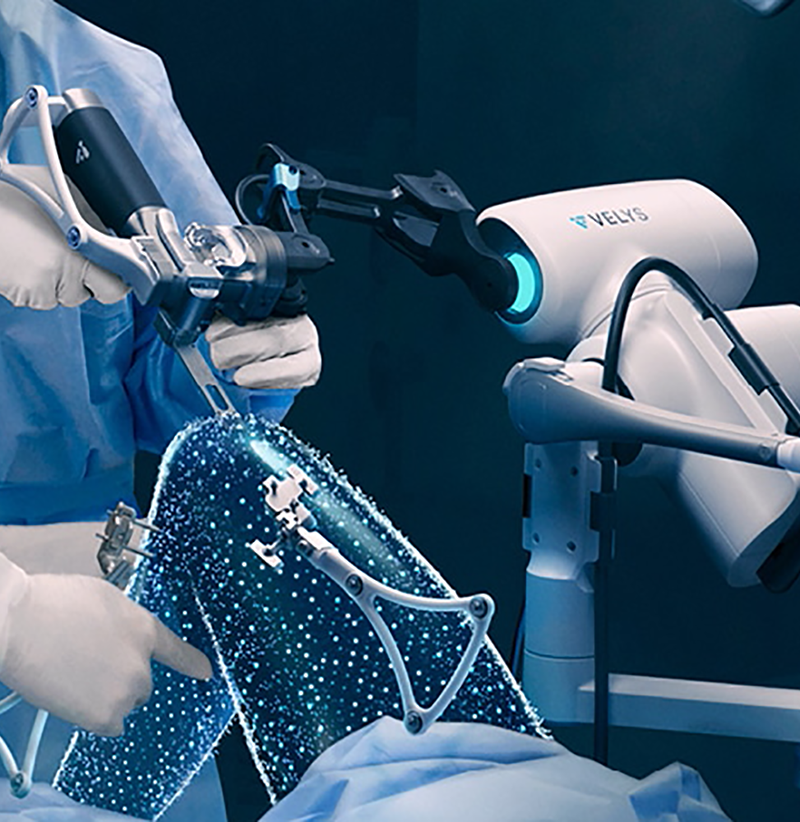
We use the VELYS Robotic-Assisted Solution for knee replacement and VELYS Hip Navigation for hip replacement. We chose these tools because they improve component positioning in specific anatomical situations — not because they are the most marketed option. In cases where robotic assistance adds measurable value, we use it. In cases where it doesn’t, we don’t.
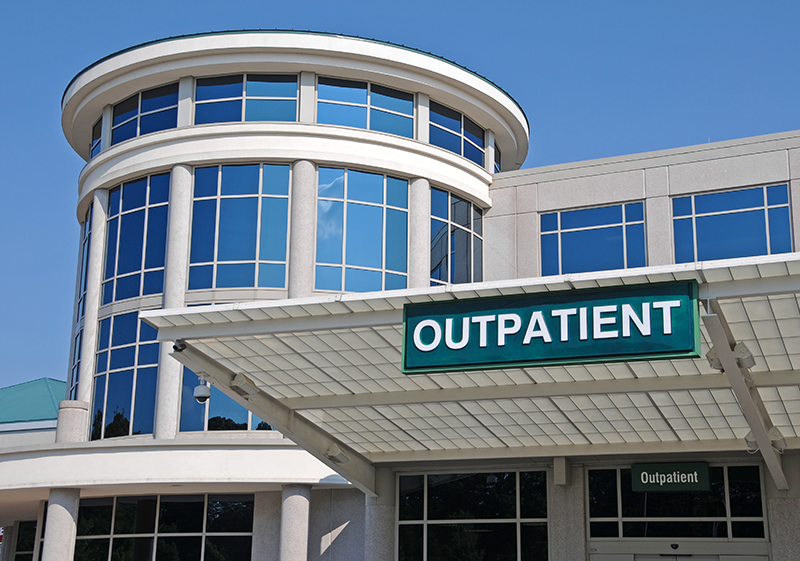
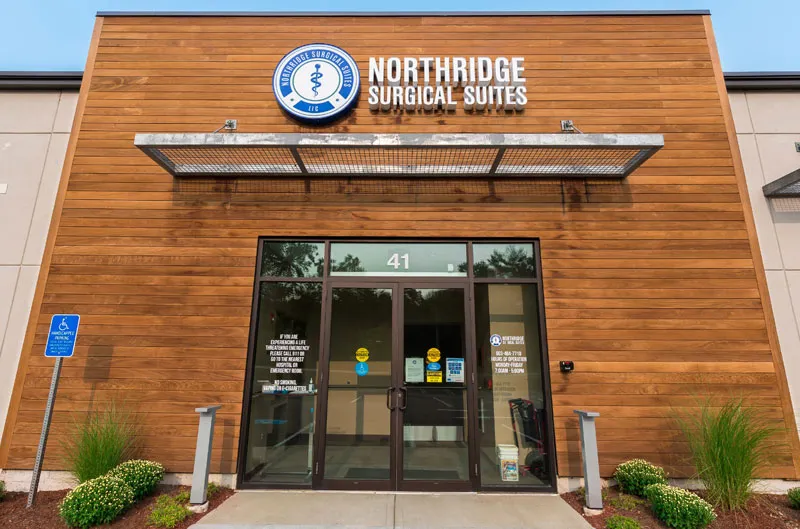
For most patients, joint replacement happens at Northridge Surgical Suites, a dedicated outpatient facility in Nashua, NH. When combined with modern multimodal pain management, the outpatient setting yields better early outcomes, fewer complications, and patients who feel like participants in their own recovery rather than recipients.
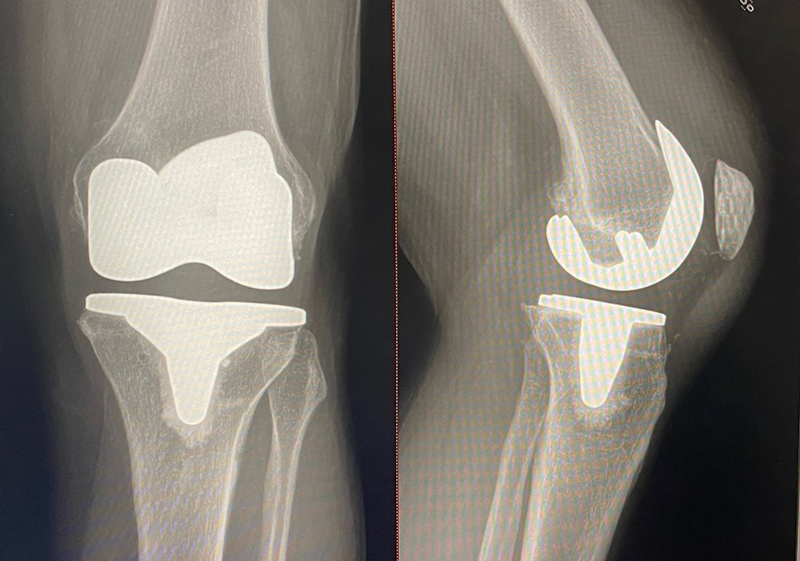
A technically excellent X-ray at three months is not a result. The result is whether you can ski, run, carry your groceries, or walk a golf course without thinking about your knee. We follow up accordingly and take it seriously when the imaging looks fine, but the patient doesn’t.
“We perform all the most advanced robotic and navigated techniques. We also know when to use them and when not to. The best outcome isn’t always the most technical one — it’s the right one, for this patient, in this anatomy.”
Dr. Grayson P. Connors
"What matters most is not the name of the technology. It’s whether the surgeon using it understands what it is — and is not — doing for them."
Dr. Grayson P. Connors
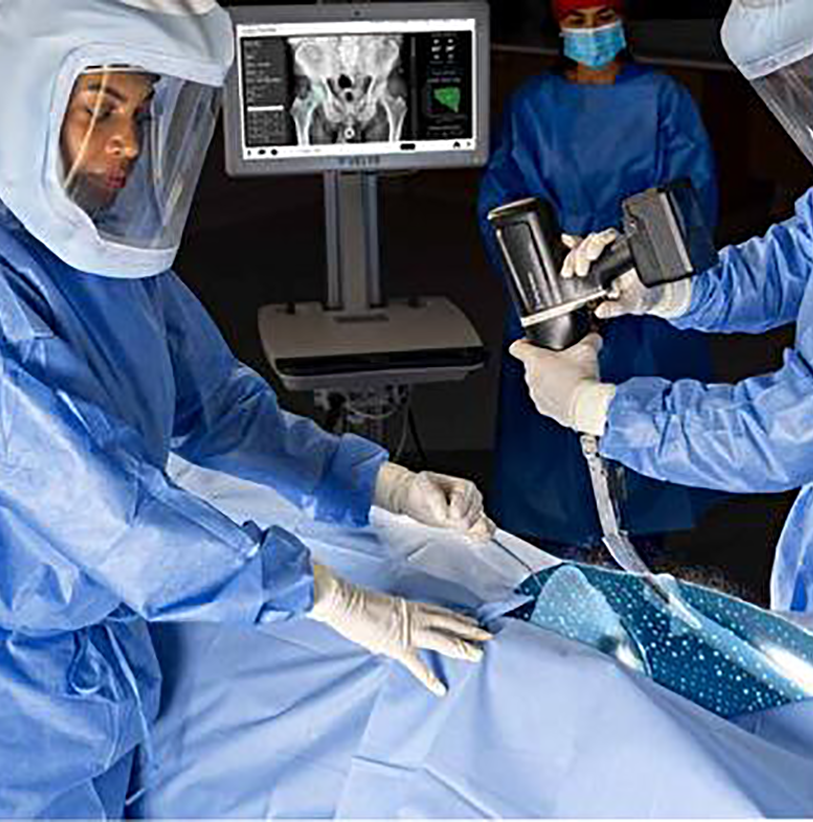
Before surgery, a detailed plan is created for exactly where and how your implant should be placed — specific to your anatomy, not a population average. In the OR, the VELYS system provides real-time guidance that helps execute that plan with precision. The surgeon controls every step. The robot does not operate independently. What VELYS adds is the ability to make intraoperative adjustments based on your specific soft tissue tension and alignment — something a pre-operative image alone cannot fully capture.
A fluoroscopic image of your hip is taken during surgery and analyzed in real time to confirm ideal implant placement as the procedure progresses. Correct cup position and leg length are verified dynamically — not just planned in advance. This is particularly valuable in the direct anterior approach, where patient positioning during surgery can differ from pre-operative imaging. It is a precision confirmation tool, not an autonomous system.
Dr. Connors works closely with the DePuy Synthes team advancing the VELYS platform and presents on its clinical application at national orthopedic meetings. His perspective on the system is shaped by using it in practice, comparing it to manual technique, and evaluating outcomes over time — not by promotional training. That distinction matters.
Most of our procedures are performed at Northridge Surgical Suites — a dedicated outpatient facility built around what joint replacement should feel like. Not a hospital managing twelve other things at once. A calm, focused environment where the staff knows this surgery, the team knows the protocol, and the patient is the only variable that changes room to room.
Most patients go home the same day. For the right patient, that’s not a compromise — it’s a better outcome.
Most people have questions before they're ready to schedule.
We're happy to answer them — reach out and let's chat.